The Decision
According to the Bureau of Labor Statistics, about 20% of new businesses fail in their first year, and roughly half don’t survive past five. The vast majority of people who want to start a business never do.
But the failure pattern is consistent. It rarely starts with a bad product or a bad market. It starts earlier — with a question most aspiring founders never stop to ask:
Should I even be in business?
Wanting a business and being ready for one are different things. Ready means having the financial runway, the time, the tolerance for rejection, and the skills to lead. Most aspiring founders skip this honest self-examination — and pay for it later.
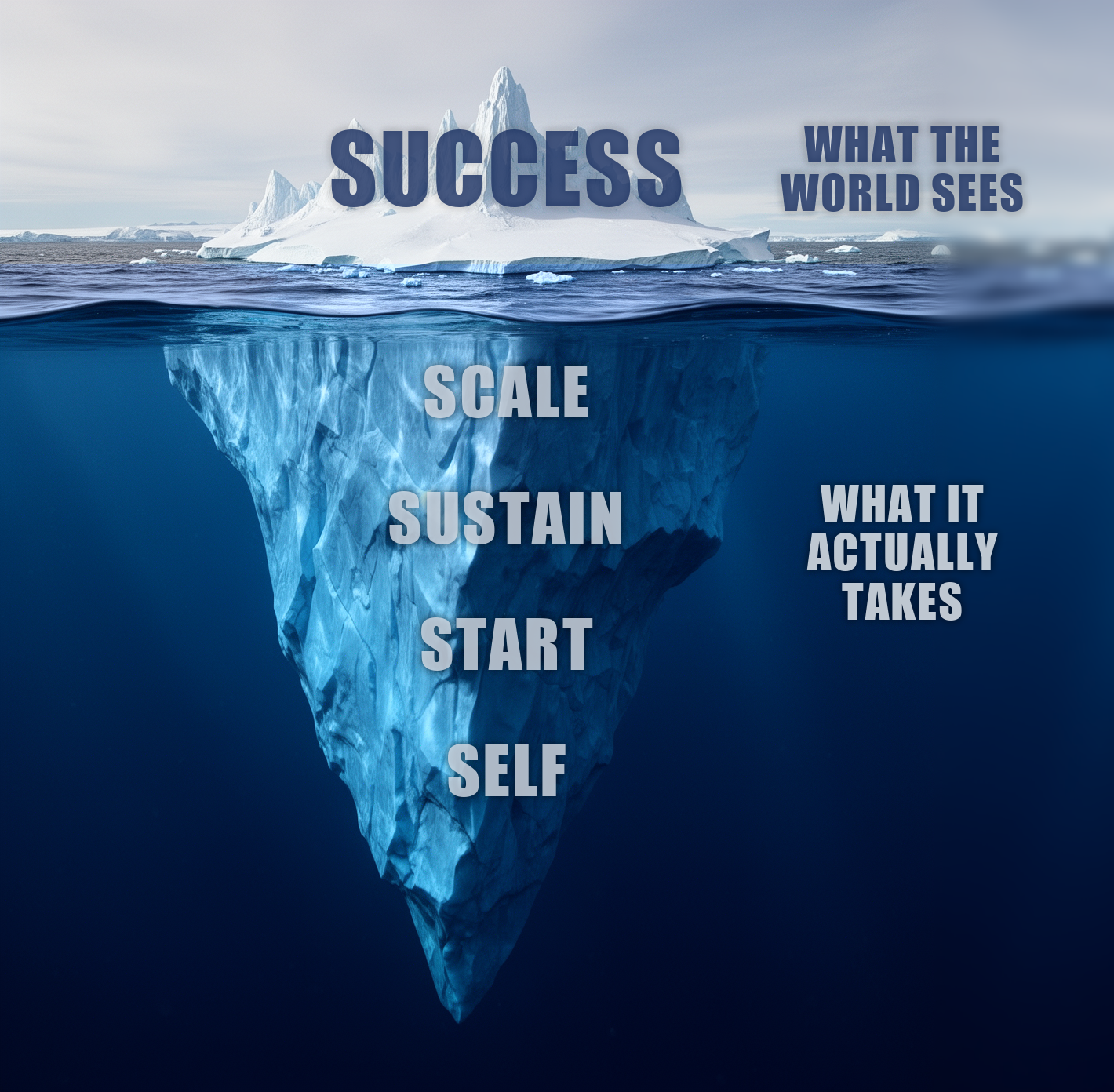
The work that actually predicts whether someone makes it happens before any product exists. It comes down to four things, in order — what we call the four pillars:
Self → Start → Sustain → Scale

“The hardest part is not starting a business. It is deciding, honestly, whether you should.”
— Empvr
Self
Self is the starting point. What does success look like for you — not your parents’ version, not what looks good on social media? What are you actually willing to trade for it? This is where self-awareness matters most: knowing your real motivations, and being honest about whether your definition of success lines up with what entrepreneurship actually demands.
Most people skip this step entirely — and it shows up later as the wrong business, the wrong timing, or the wrong motivation.
Start
Start is about readiness. Do you have enough saved to survive if it takes longer than expected? Do you know what it actually costs to get a customer and how long until you break even? Can you hear ‘no’ ten times in a week and still show up on Monday? These are real questions with real answers — not motivational platitudes.
A significant number of people who honestly examine their readiness realize they’re not ready yet. That’s not failure — it’s one of the most valuable things you can learn before you commit. It saves you from a premature launch that burns money, time, and confidence.
Sustain
Sustain is where most people stall. The initial excitement fades. A friend tells you it won’t work. You have a week where nothing moves. The steady paycheck pulls harder than the uncertain upside.
Most of those who do start a business fail here — not because they didn’t try, but because they didn’t understand what sustaining anything requires. Coaching. Someone to bounce ideas off when your own head won’t cooperate. A plan for the parts of you that will want to quit.
Scale
Scale is the last pillar, and the one most founders never reach — because they never sustain long enough to get there. Scale is leadership. It is taking what you have learned and multiplying it through other people. It is building systems and teams that work without you in every conversation.
You cannot scale unless you have learned to sustain. You cannot sustain unless you have learned to start. You cannot start until you have understood yourself.
That is the order. There is no shortcut.
Every path to building a business starts with the same hope — profit. Real estate, an app, a franchise, a side hustle, a storefront, a network. They all promise it. The differences are in what each path asks of you: money, time, risk, patience. And whether the path matches the person walking it.
A useful way to think about the whole decision is in three stages: Evaluate, Educate, Elevate.
Evaluate is about fit — your motivations, your readiness, and whether entrepreneurship makes sense for your situation right now. It’s the honest look most people never take.
Educate means studying the real options side by side — real estate, e-commerce, franchises, digital products and apps, service businesses, and investing — with actual costs, timelines, and failure rates for each, instead of the highlight reel.
Elevate is the part that’s hard to do alone: mentorship, resources, and a community of people who’ve already done it — the things that remove the barriers that stop most first-time entrepreneurs from ever starting.
There’s another lens worth holding onto here. There’s a difference between Making Money — trading your active income, your hours, for a paycheck — and Building Wealth, where you own assets that generate income whether you’re working that day or not. Most people spend their whole lives on the Active Income side without ever asking whether they could move toward Asset Income. Entrepreneurship is one path across that line. It isn’t the only one, and it isn’t for everyone.
Some people work through all of this and realize entrepreneurship isn’t for them right now. Others discover a business model they hadn’t considered. Either outcome is a win — because the point isn’t to start a business. The point is to make the decision on purpose, with your eyes open, instead of on impulse.
You might come out ready to start. You might come out knowing this isn’t the right time. Either way, you’ll have a clear answer instead of a gut feeling — and that clarity is worth the effort.
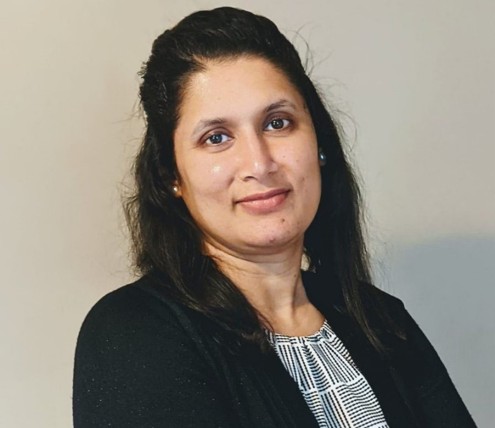





Real professionals exploring this path — engineers, doctors, consultants, and more.
About Empvr — Empvr is an entrepreneurship education platform built by IT consultants, psychiatrists, engineers, finance professionals, and healthcare workers who built business assets alongside their day jobs. We help aspiring entrepreneurs evaluate six real business models side by side — real estate, e-commerce, franchises, digital products and apps, service businesses, and investing — with real costs, timelines, and failure rates for each. Learn more about Empvr →